
Geese's Getting Killed
Why Getting Killed became my album of 2025

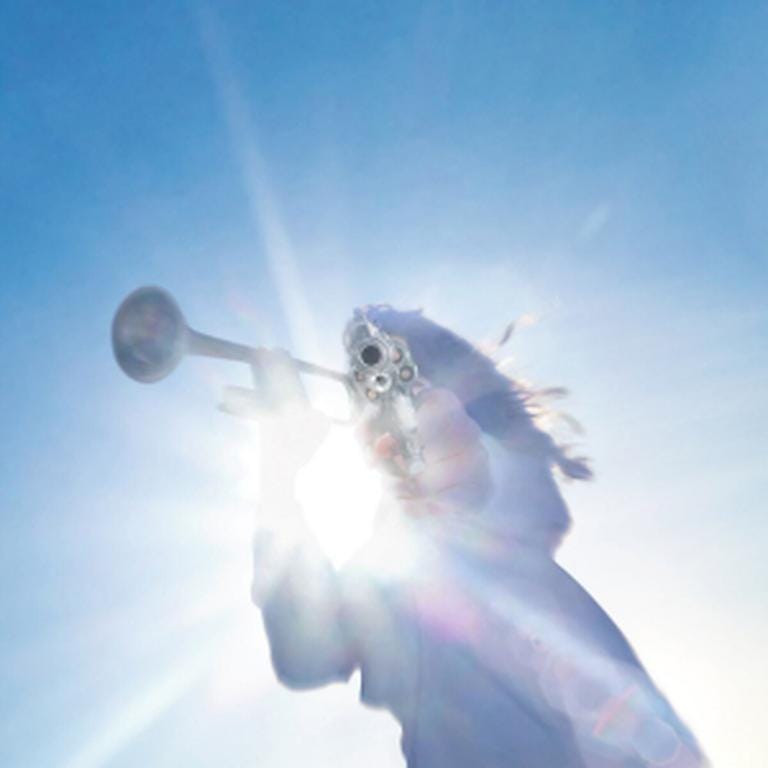
Writing about my favourite album of 2025 at the end of January 2026 feels a bit like turning up late to a party and insisting on making a speech. The lists are done, and everyone’s moved on, but this is usually when I start to trust how I really feel about a record—not when it’s new, but once it’s had time to stick. Some albums don’t belong to the moment the year turns; they belong to the months that follow, when you realise they haven’t let go.
Look: I kept meaning to write about Geese’s Getting Killed “properly”, but I couldn’t work out what to say about it that felt new or true. I also put it off because it already felt obvious—to me and to the people around me—that this was the album I’d end up choosing. Explaining why was harder than just stating it. By the time I sat down to write, the reaction was already there; I just hadn’t caught up with the words yet.
I wasn’t looking for another album to take over my year, but Getting Killed did. I put it on the morning it was released, assuming I’d listen to it once and then almost forget about it a week later. Instead, I kept coming back to it. I played it on walks, on bus rides, even when I wasn’t really listening. Before long, it was the first thing I put on and the last thing I turned off. At one point, I tried not to play it and lasted forty-eight hours before giving in. After that, it stopped feeling like a choice and became a habit, threading itself through everything else I played. Lyrics surfaced at odd moments; other records began to feel temporary by comparison. Eventually, it felt like the one true constant; everything else was just filler in between.
In the days and weeks that followed, it turned out my obsession wasn’t just mine. Getting Killed started turning up everywhere I looked—on timelines, in chats, in record stores and bars. It felt like people were arriving at it at the same time, with the same sudden intensity. It wasn’t just an online thing or a passing impression—it was happening around me too. The same songs kept surfacing in different conversations, the same lines getting quoted, and it began to feel like we’d all wandered into the same mood at once and weren’t in any hurry to leave.
At the same time, people were already trying to decide what Geese were—some dismissing the buzz as overhyped, others comparing them to the great New York rock bands of the past—as if the argument mattered more than the songs. That didn’t matter to the people who were actually listening. We just fell into a habit: putting the album on, quoting lines to each other, sending it to someone else who needed to hear it. When people messaged after their first listen, already buzzing and borderline evangelical, I’d welcome them to the Gaggle. Albums like this tend to generate their own language, no matter how cringeworthy it is.
That kind of shared ritual is rare for me now. These days, it’s unusual for a band or an album to take hold of my friends and me in the way Getting Killed has. Most of the people I talk to about music are in their late thirties or older, when discovery tends to slow. New music still arrives, of course, but it’s usually kept at arm’s length, competing with work, family, and everything else that fills the day. Getting Killed didn’t stay there. It pushed its way into conversations and messages, into jokes, memes, and half-remembered lines—until, quietly, it stopped being about us. Within a month, it no longer felt like a new record but a presence in my everyday life, working its way into my routines more deeply than I expected.
I spent most of my teens thinking in terms of indie bands and scenes, and even though my listening has broadened since then, that instinct has never gone away. I can spend weeks in other worlds—pop, electronic music, genres with no obvious lineage at all—but when an album like Getting Killed turns up, I recognise it straight away: a record that feels risky, personal, and necessary in the old sense—the kind you don’t just love but want to gather round and shout about, as if something were at stake.
For a while now, a lot of indie music has felt low-energy and risk-averse. I still listen to it, but it often sits in the room like furniture: mid-tempo, dry-voiced, politely serious, asking to be respected rather than felt, more afraid of embarrassment than of failure. Getting Killed didn’t do that. It was noisy, weird, excessive, divisive, a little embarrassing, and earnest in the way many bands used to be, when they were trying to mean something. As an ageing indie kid, it was the first time in years a band made strangeness feel like the point rather than the flaw—a possibility I’d stopped believing in or even looking for.
I felt that absence most clearly the first time I pressed play. ‘Trinidad’ sounded like a warning shot: “There’s a bomb in my car!” came so early that it felt absurd, and I actually laughed out loud before realising my heart was racing. It wasn’t just a great line; it was the moment the record stopped being background noise and started demanding attention. When ‘Taxes’ arrived later, it didn’t calm anything down. By then, I wasn’t thinking about whether I liked the music so much as moving faster with it, as if my body had decided before my head had caught up.
What really surprised me about the album was how tender ‘Au Pays du Cocaine’ is. It still makes me well up, even when I think it won’t. It’s the moment the album’s swagger loosens its grip and a vulnerability slips through. Then ‘100 Horses’ arrives and reverses the mood: not so much a song as a pronouncement, a voice stepping forwards and holding your gaze. The fact that Getting Killed can swing between those two states—yearning one second, strutting the next—is exactly why it never settles into a single rush of noise. It keeps changing shape and fixing itself under my skin.
That swing between tenderness and swagger never resolves into a single mood. Instead of one tone stretched across forty-five minutes, Getting Killed feels like a small world with its own weather systems: joy and threat, theatre and sincerity, excess and control, all coexisting without cancelling each other out. That range made it possible to live with. On different days, it appealed to different sides of me—a place to be inside one moment, a handhold the next. It could be loud without being empty, tender without collapsing, strange without losing its grip. You can’t manufacture that kind of attachment; you usually only notice it once the album has already made itself at home.
By the time the year was over, Getting Killed no longer felt like a record I’d chosen but one that had chosen me. I don’t know whether it was the best album of 2025 in any abstract sense, or whether I’ll still be listening to it in five years’ time, but I really don’t care. Some records pass through a year. This one stayed.
💫 If you enjoyed this piece, consider subscribing or sharing it with someone. Want to support this work directly? Become a paid subscriber or leave a tip here. 💫